5 Things Food Pantries Wish You Knew
Insights from food pantry volunteers and staff about how visitors can make the most of their visit and how you can help.
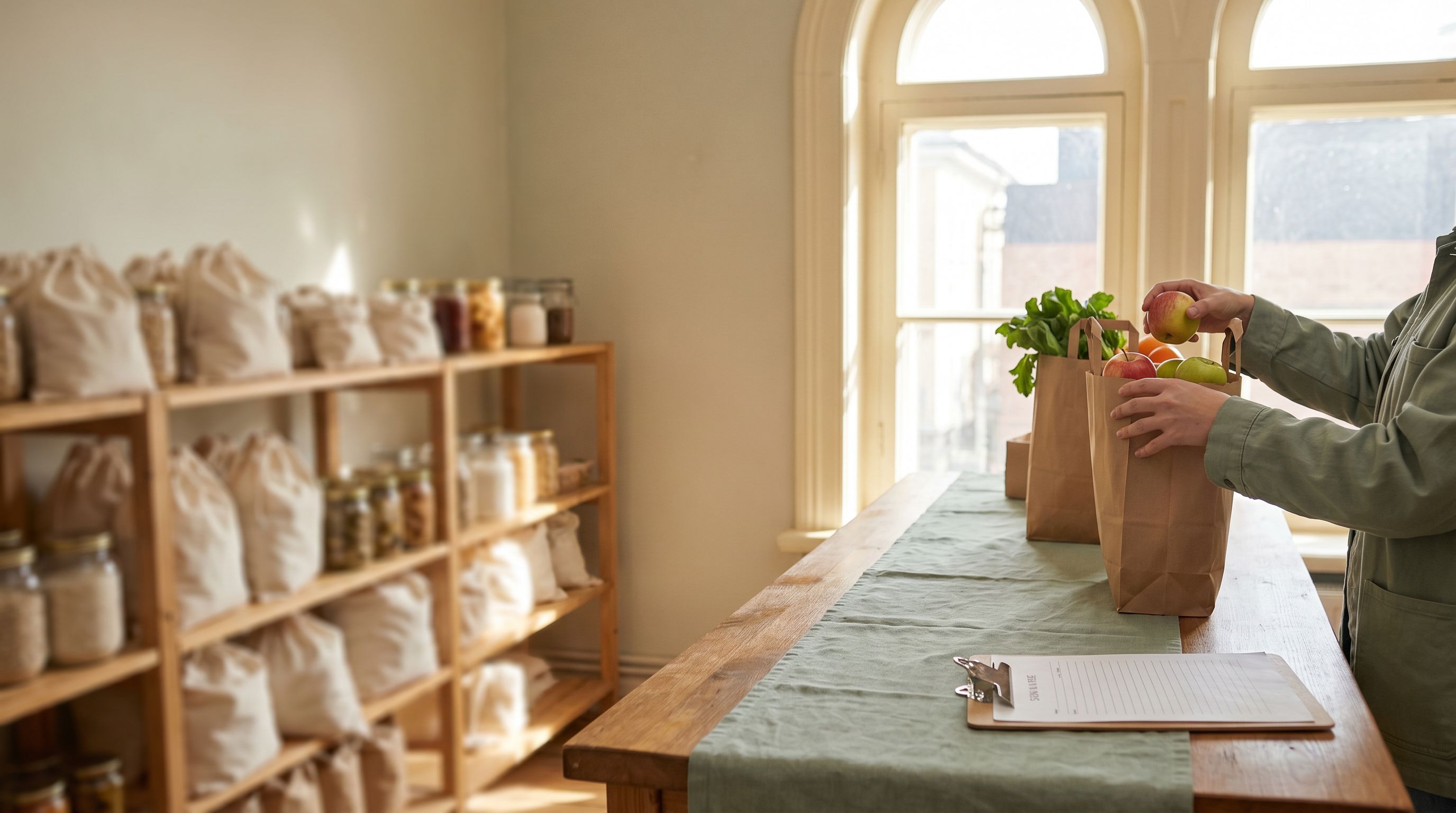
Food pantries are staffed largely by volunteers and funded through donations. The people who run them care deeply about their communities — and they have a few things they wish more visitors (and potential donors) understood.
1. You Don't Have to Be "Poor Enough" to Come
One of the most persistent myths about food pantries is that they're only for people in extreme poverty. In reality, pantries serve a wide range of circumstances: people between jobs, seniors on fixed incomes, families hit by an unexpected medical bill, college students, and many others.
If you're wondering whether you "qualify," you almost certainly do. Pantry staff will never quiz you on your income or make you justify why you're there. They're simply there to help.
2. Most-Needed Donations Are NOT What You Think
When people think about donating to a food pantry, they often reach for canned goods that have been sitting in the back of their pantry for years. But pantries are often overwhelmed with certain items and desperately short on others.
What pantries actually need most:
- Protein — canned tuna, chicken, salmon, peanut butter, dried beans
- Healthy cooking staples — olive or vegetable oil, low-sodium broth
- Whole grains — brown rice, whole wheat pasta, oats
- Personal hygiene items — shampoo, soap, toothpaste, feminine products (often not covered by SNAP)
- Baby food and formula — critically needed and often scarce
- Cash donations — food banks can purchase food at a fraction of retail cost
3. Volunteers Are the Lifeblood of the Operation
Many food pantries run almost entirely on volunteer labor. Sorting food, stocking shelves, greeting clients, carrying boxes — all of this is typically done by community members who donate their time.
If you've ever wanted to volunteer but didn't know where to start, a food pantry is one of the most tangible, immediately impactful places to spend a few hours. Most need help on specific days (check with your local pantry for their schedule) and don't require any special skills.
4. Hours and Stock Change Frequently
Food pantry hours can be irregular, seasonal, or subject to change based on volunteer availability and donations. A pantry that was open on Wednesdays last year might now operate on Tuesdays. Their stock varies week to week as well.
Before making a trip, it's worth calling ahead or checking for updated information. If you're using PantryPath, look for the "Last Updated" timestamp on each listing — and if you notice outdated information, you can help by submitting a correction.
5. You Can Help Even If You Can't Donate or Volunteer
Sharing information matters. Many people who need food assistance don't know where to find it — or are too proud to ask. Telling a neighbor about a local pantry, sharing a directory post on social media, or mentioning resources to a coworker you know is struggling can make a real difference.
You can also help by leaving a kind review for pantries that treated you well, which helps others find trusted resources. Or by correcting outdated listings in directories — ensuring that people who need help can actually find it.
Find a Food Pantry Near You
Search our directory of 7,000+ verified food pantries and food banks across the United States.