
Home Delivery Food Pantries
Home delivery pantries are a lifeline for seniors, disabled adults, new parents, and anyone whose transportation, mobility, or work schedule makes an in-person pantry visit impossible.

1,250+ delivery pantries
Concentrated in urban + senior-heavy areas
Eligibility gated
Senior, disabled, or limited-mobility status
Pre-packed boxes typical
Client-choice rare in delivery
Weekly or biweekly
Schedule set at intake
How it works
- Call the pantry or complete its online intake form.
- Prepare documentation: photo ID, proof of address, and proof of eligibility (senior status, disability letter, etc.).
- Schedule a recurring delivery window — usually a 3-4 hour slot one day per week or every other week.
- Be home during the window or designate a porch/lobby drop-off spot.
Find pantries offering home delivery food pantries near you
Enter a ZIP or city to see the nearest verified pantries offering home delivery food pantries, or tap a chip below to narrow this list.
Showing 50 of 1,150 verified pantries.
4.9(167)
Cave Creek, AZ85331
Food bank Free Mobile SNAP Help
4.8(422)
Chandler, AZ85225
Food bank Free Mobile Bilingual
4.9(62)
Bristol, RI02809
Food bank Free Mobile Bilingual
4.8(298)
Lafayette, CO80026
Food bank Free Bilingual
Indianapolis
4.8(293)
Indianapolis, IN46241
Food bank Free Mobile SNAP Help
Wylie
4.8(284)
Wylie, TX75098
Non-profit organization Free SNAP Help
4.8(212)
Baytown, TX77520
Non-profit organization Free SNAP Help Bilingual
4.8(162)
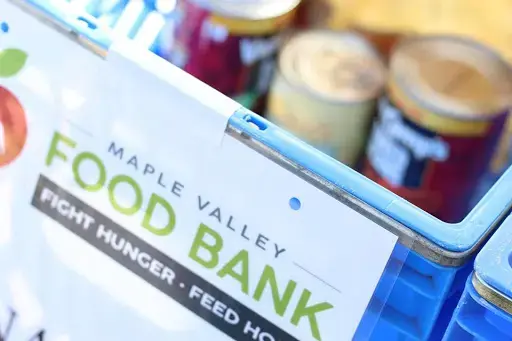
Maple Valley, WA98038
Food bank Free SNAP Help Bilingual
4.9(46)
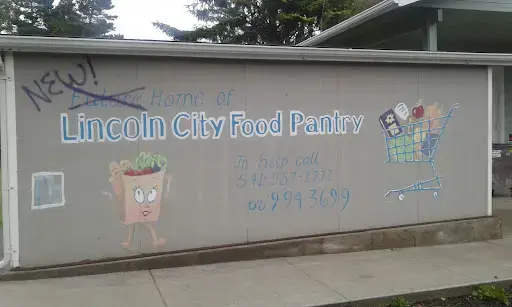
Lincoln City, OR97367
Food bank Free Mobile Bilingual
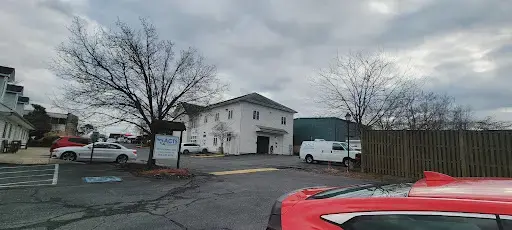
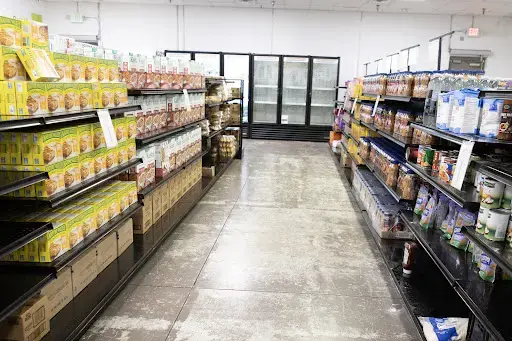
4.8(137)
Chattanooga, TN37411
Food bank Free Mobile SNAP Help
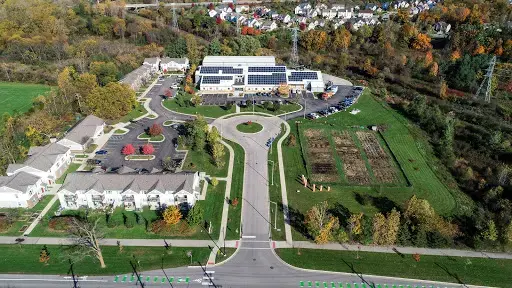
Midland
4.8(134)
Midland, GA31820
Food bank Free Mobile SNAP Help
Winthrop Harb
4.9(43)
Winthrop Harbor, IL60096
Food bank Free Bilingual
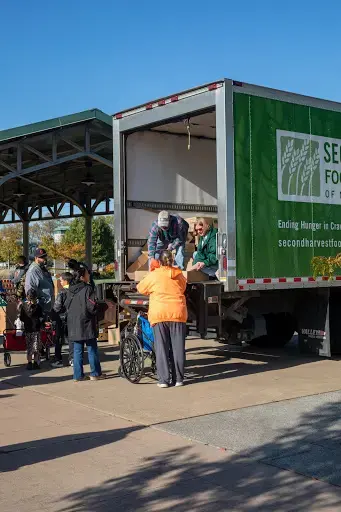
4.8(126)
Lorain, OH44053
Food bank Free No ID Mobile


4.8(121)
East Bethel, MN55011
Food bank Free
Black Canyon
4.9(41)
Black Canyon City, AZ85324
Food bank Free Mobile SNAP Help
4.8(119)
Kingsport, TN37663
Food bank Free Mobile SNAP Help

4.8(118)
McHenry, IL60051
Food bank Free No ID SNAP Help
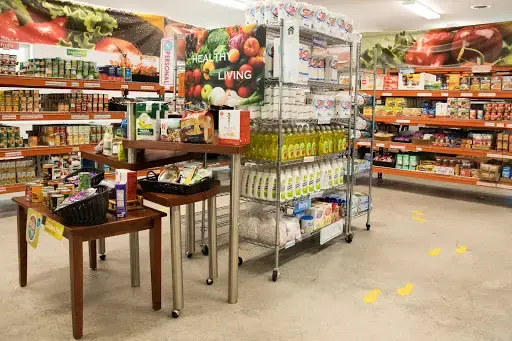
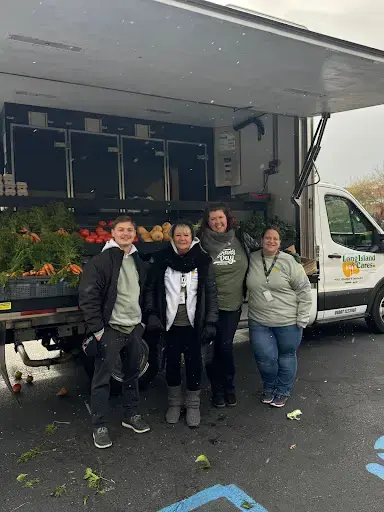
5.0(23)
Bethpage, NY11714
Food bank Free Mobile
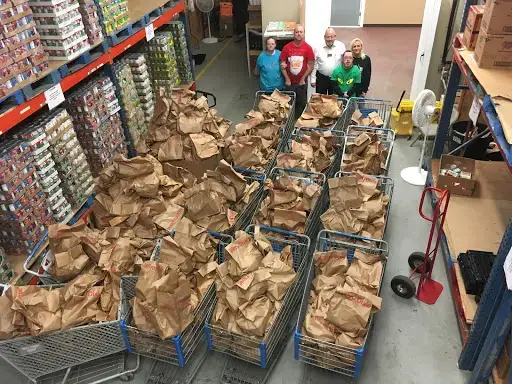
Showing the top 50 of 1,150 matches. Use the search above for proximity results.
Where these pantries are: most verified listings offering home delivery food pantries are in California (97) , New York (92) , Minnesota (72) , Washington (72) , and Illinois (59) . Browse the full resource hub to narrow by program.
Common Questions
Who qualifies for home delivery from a food pantry?
Eligibility varies by pantry but typically requires documentation of a condition that makes in-person visits difficult: age 60 or older, documented disability, limited mobility, pregnancy with medical restrictions, recent surgery, or acute illness. Some programs accept parents of multiple young children or unhoused individuals at temporary addresses. Call intake to confirm what proof they need.
How much notice do I need to give for a delivery?
Most programs run a standing schedule — once intake is complete, deliveries happen on the same day each week or every other week without further action. First delivery typically lands 1–2 weeks after intake. Emergency or one-off deliveries are rare; for a same-day need, call 211 to find a Meals on Wheels or Salvation Army emergency-food program.
What's in a delivery box?
Standardized pre-pack: shelf-stable staples (rice, pasta, canned goods, cereal), some fresh produce, bread, and occasionally frozen protein and dairy (if the driver has a refrigerated vehicle). Roughly three to five days of food per household per delivery, calibrated to household size. If you have specific allergies or dietary restrictions, note them at intake — most programs honor them.
Do I need to tip the delivery driver?
No — never, and it would be awkward if you tried. Delivery pantries run on volunteer or grant-funded drivers. A handwritten thank-you card or a smile at the door is the customary appreciation. Some programs accept donations toward delivery fuel costs, but tipping individuals is not part of the culture.