Canned Goods Food Pantries in Texas

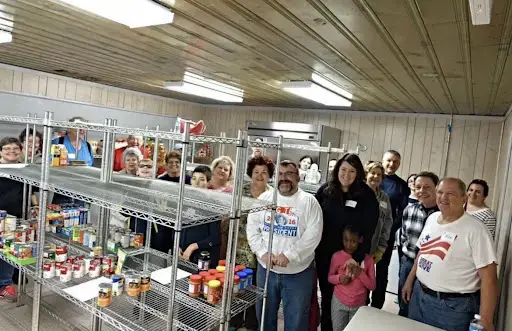
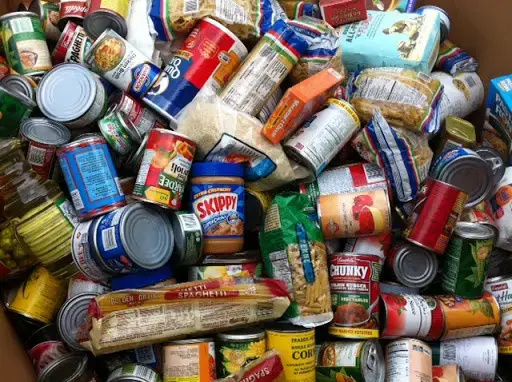
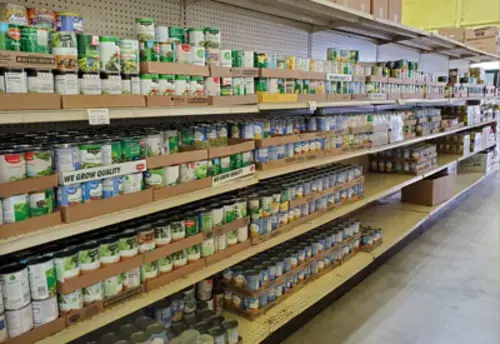
Canned goods are the backbone of every food pantryTexas — the shelf-stable calories that households can stretch across a week without refrigeration or much prep. Expect canned vegetables (green beans, corn, peas, tomatoes), canned fruit (pears, peaches, mixed fruit in juice or light syrup), canned proteins (tuna, chicken, beans, chili), and canned soups. Sodium content varies widely; many pantries now prioritize low-sodium options when available through Feeding America partnerships. Most cans at pantries are within a year of their "best by" date — and canned goods remain safe well past that date as long as the can itself is intact (no bulges, dents on seams, or rust). If you need a pull-tab opener for physical accessibility, tell the pantry — they often have a dedicated box.

152 pantries in Texas
Pantry staple
3,100+ sites distribute canned goods every week
Shelf-stable
Safe well past the "best by" date if intact
Wide variety
Vegetables, fruit, proteins, and soups
Low-sodium on request
Many pantries stock reduced-sodium SKUs

What to bring

  • Reusable bags — cans are heavy; a typical box runs 20–30 lb.
  • A list of allergies or dietary restrictions (low-sodium, no pork, etc.) to share at intake.
  • A manual can opener if you do not own one — pantries sometimes give these away.
  • Transportation for the return trip — most sites cannot deliver a standard canned-goods box.

Pantries that stock this item in Texas

Showing the top 50 of 152 confirmed locations, sorted by rating.

Showing the top 50 of 152 matching pantries. Narrow by city or ZIP for nearest results.

Browse by city in Texas →

Common Questions

Are canned goods safe past the "best by" date?
Yes, in most cases. "Best by" is a quality date set by the manufacturer, not a safety date. A can is generally safe to eat as long as the can itself is intact — no bulges, no rust on the seam, no dents that cross a seam or expose raw metal. When in doubt, inspect, sniff, and discard anything that looks or smells off. The USDA publishes detailed guidance on canned-goods safety online.
Can I request low-sodium or low-sugar options?
At most pantries, yes — ask at intake. Feeding America has been increasing the share of "Healthy Eating Research"-aligned inventory (low-sodium, no-sugar-added, whole grains), and volunteers will often swap a standard can for a healthier variant if one is in stock. If you are managing diabetes, hypertension, or kidney disease, make that known; some sites have a dedicated medical-needs shelf.
Do I need to bring a can opener?
Check the pull-tab. Most cans at pantries now have pull-rings, but the older warehouse-donated stock may not. If you do not own a manual opener, ask — many pantries give them away or include one in a first-visit welcome bag. For dexterity issues, request an electric opener from a partner program like Meals on Wheels.
How much canned food will I get per visit?
The standard "household-of-four" pre-packed box contains roughly 15–25 cans alongside dry goods and produce, calibrated to last three to five days. Client-choice pantries let you pick your own allotment; the limit is usually expressed as points or pounds per household. Smaller households get proportionally less.
Can I donate canned goods I do not need back?
Yes — most pantries happily accept unopened, in-date donations. Check their posted donation hours (not always the same as distribution hours). Items most in demand: low-sodium vegetables, canned fruit in juice, tuna in water, and whole-grain soups. Items they usually cannot accept: anything opened, homemade, bulging, or past the date.

Looking beyond Texas?

Browse the national directory for every matching pantry across the US.

Canned Goods nationwide