Food Pantries with Dairy Products — Nationwide Directory

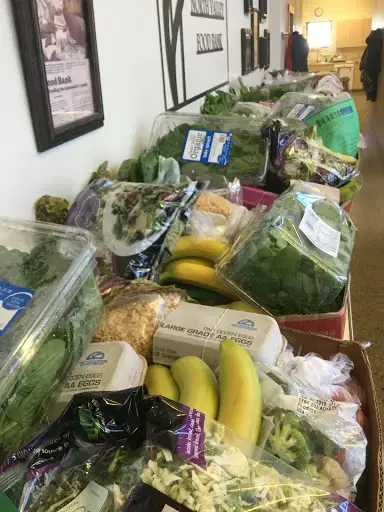
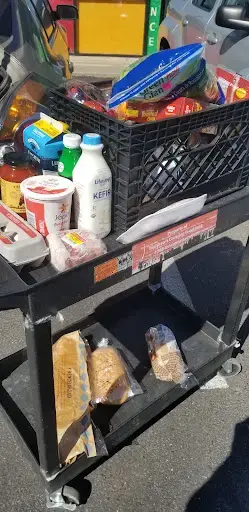
Dairy at pantries typically means gallon or half-gallon milk, yogurt cups, sliced cheese, butter sticks, and occasionally eggs (technically not dairy, but distributed alongside). The vast majority comes from grocery-store donations nearing sell-by — which is a quality date, not a safety date. Pasteurized milk in a cold chain is generally safe three to seven days past the printed date if it has been continuously refrigerated. Bring a cooler if you have more than a 20-minute drive. Lactose-free milk and plant-based alternatives (almond, oat, soy) are stocked at some pantries; availability correlates strongly with whether the local grocery-rescue program includes those SKUs. Shelf-stable (UHT) milk — the kind that lives on a pantry shelf — is a common option if the drop-off logistics don't support refrigeration.

1,587 pantries nationwide
Cold chain matters
Bring a cooler; refrigerate immediately at home
1,700+ locations
Milk, yogurt, cheese, butter common
Dates are quality, not safety
Usually safe several days past sell-by
Lactose-free at some sites
Availability depends on local donations

What to bring

  • A cooler with ice packs for the ride home — non-negotiable in summer.
  • Refrigerator space cleared in advance.
  • A list of dietary needs (lactose intolerance, casein allergy) for intake.

Pantries that stock this item nationwide

Showing the top 50 of 1,587 confirmed locations, sorted by rating.

Showing the top 50 of 1,587 matching pantries. Narrow by city or ZIP for nearest results.

Search by ZIP code →

Common Questions

Is milk from a food pantry safe if it is near the sell-by date?
Almost always, yes. The printed "sell by" date is a retail rotation indicator, not a safety cutoff. Pasteurized milk that has been kept continuously refrigerated is typically safe three to seven days past that date, sometimes longer for ultra-pasteurized and UHT milk. Smell and taste a small amount before pouring it into a meal. Sour milk is obvious; it will not make you ill, but it will not taste pleasant either.
Are lactose-free or plant-based options available?
At larger urban pantries and those partnered with full-service grocery donors, yes — almond, oat, and soy milks appear regularly in inventory. Availability is inconsistent at smaller and rural sites. Ask at intake; some pantries keep a dedicated specialty-diet shelf and will substitute for you if there is stock that day.
Can I get eggs at a food pantry?
Frequently, yes — eggs are typically distributed with dairy even though they are a separate category. Availability is season-dependent and has been variable during avian-flu outbreaks that tightened supply in 2022–2024. Some pantries limit a visitor to a single dozen; others hand out 18- or 30-counts on surplus days. Ask when you arrive.
Why does my pantry sometimes have cheese and sometimes not?
Cheese and butter are heavily dependent on USDA TEFAP (The Emergency Food Assistance Program) commodity distributions, which happen on a federal schedule, usually quarterly. When a TEFAP shipment arrives, you may see 2 lb cheese bricks, 1 lb butter packs, and milk powder for several weeks; between shipments, the shelf thins out.