How to Start a Food Pantry: Step-by-Step Guide
A practical guide to starting a community food pantry — from assessing need to partnering with food banks to launching operations.
Part of the complete guide
Add a Pantry →
Starting a food pantry is one of the most impactful things you can do for your community. This guide walks you through every step — from assessing community need to opening your doors.
Step 1: Assess Community Need
Before starting, research your area's food insecurity. Check Feeding America's Map the Meal Gap for county-level data. Talk to local schools, churches, and social services. Identify gaps in existing services using PantryPath's directory.
Step 2: Choose Your Model
- Partner with an existing organization — fastest path. Churches, schools, and nonprofits often sponsor food pantries.
- Start under a fiscal sponsor — a 501(c)(3) sponsor handles tax-exempt donations while you operate.
- Form your own 501(c)(3) — full independence but requires IRS application ($275-$600 filing fee, 3-6 month processing).
Step 3: Find a Location
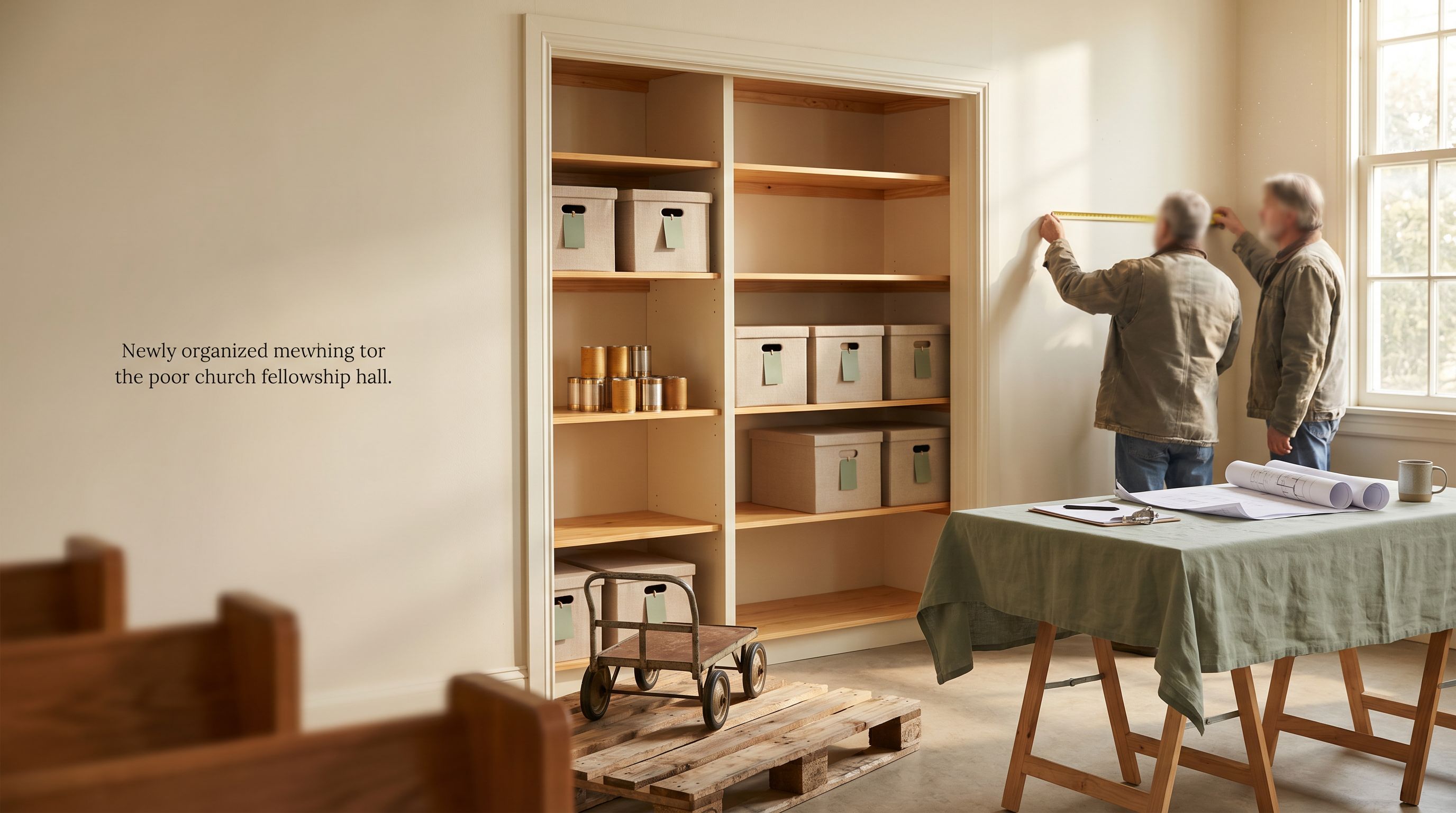
You need a clean, dry, accessible space with storage capacity. Common locations: church fellowship halls, community center rooms, school buildings, vacant retail spaces. Must meet local health department requirements for food storage.
Step 4: Partner with a Food Bank
Contact your regional Feeding America food bank to become a partner agency. This gives you access to bulk food at very low cost ($0.10-0.19/pound). You'll need liability insurance, a food safety plan, and to complete their application process.
Step 5: Food Safety & Compliance
- Contact your local health department for food distribution requirements
- Implement temperature monitoring for refrigerated/frozen items
- Train volunteers on safe food handling
- Establish a system for checking expiration dates
- Get liability insurance (often available through your food bank partnership)
Step 6: Recruit Volunteers
A small food pantry needs 3-5 volunteers per distribution. Recruit from your host organization, local schools (service hours), retirees, and community groups. Post on VolunteerMatch.
Step 7: Set Hours & Launch
Start small — one distribution day per week or month. Promote through 211, local social services, schools, churches, and community boards. List your pantry on PantryPath so people can find you.
Frequently Asked Questions
How much does it cost to start a food pantry?
Startup costs range from nearly $0 (if hosted by a church with existing space) to $5,000-$10,000 for a standalone operation (refrigeration, shelving, insurance, supplies).
Where does the food come from?
Your regional food bank (primary source), community food drives, grocery store donations, USDA TEFAP commodities, local farms (gleaning), and individual donors.
Find a Food Pantry Near You
Search our directory of 7,000+ verified food pantries and food banks across the United States.